

Alenka Gaus
Cardiology & ultrasound
In dogs and cats, the heart often works quietly for a long time, and heart disease develops gradually before it causes any problems. With cardiac ultrasound and ECG we detect changes early, and can support your pet well over many years.
A diseased heart works remarkably well for a long time, because the body compensates for weaknesses. Only when these reserves are exhausted do clear symptoms appear. This means: by the time an animal is visibly suffering, the disease is often already advanced.
The earlier a heart condition is known, the better the course of the disease and your pet's quality of life can be supported.
Many owners first notice small changes in everyday life. Do bring your pet to us if you notice one of these signs.
A dry cough after exertion or while lying down can be a first sign.
Most common early signShorter walks, pauses while playing, getting tired faster than usual.
In everyday lifeAn increased breathing rate during sleep is an important sign; see breathing rate below.
Also during sleepWhen your pet lies down more, withdraws or seems less alert.
Change in behaviourBrief collapsing or "blackouts". Please have this checked promptly.
Check urgentlyDiscovered during a check-up or before an anaesthesia, a good reason for further investigation.
Incidental findingIn animals with a known heart condition, the resting breathing rate is one of the most reliable indicators of a deterioration. If it rises over several days, that is a reason to contact us promptly, often before other symptoms become visible.
Which condition is present in each individual case is clarified by the cardiological examination. This overview shows what is typically most prominent in dogs and cats.
 Symbolic image · created with AI
A leaking mitral valve is the most common heart disease in dogs; small breeds at an advanced age are particularly affected.
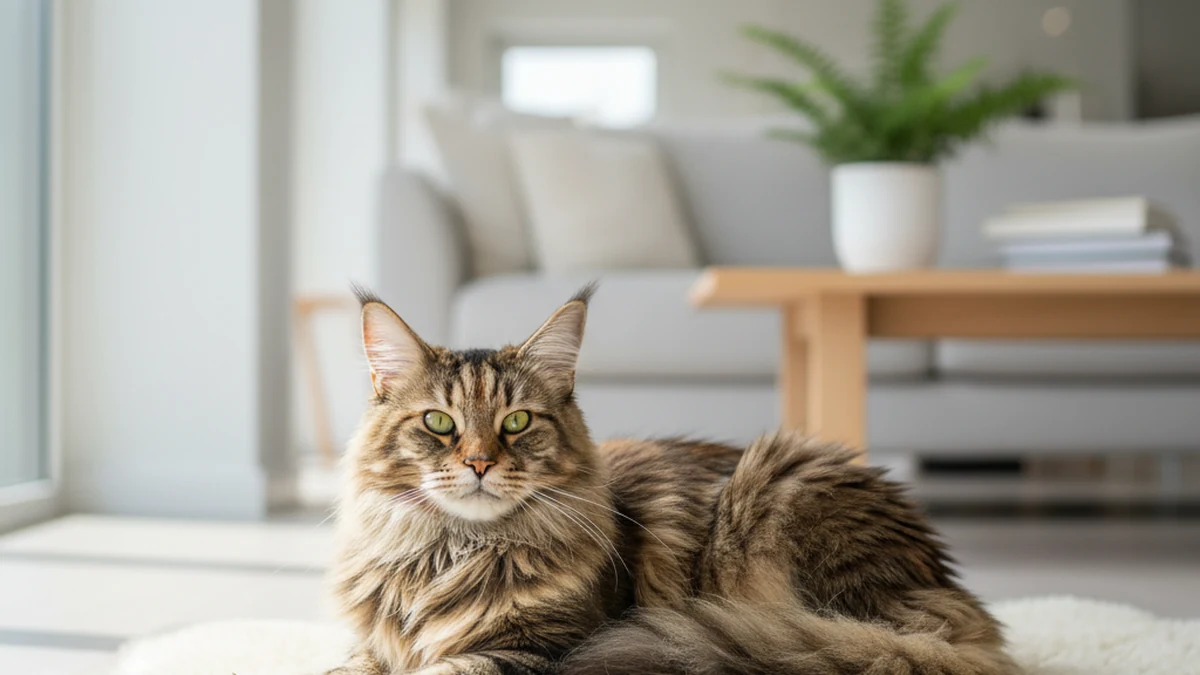 Symbolic image · created with AI
In cats, diseases of the heart muscle are most prominent, above all HCM, a thickening of the heart wall. It often goes unnoticed for a long time.
Coughing is a common, but not a definitive sign. It can come from the heart, but equally from the airways or the lungs. A thorough examination prevents the actual cause from being overlooked.
For the heart examination, no special preparation is usually needed, and your pet does not need to fast. We take our time and ensure a calm atmosphere.
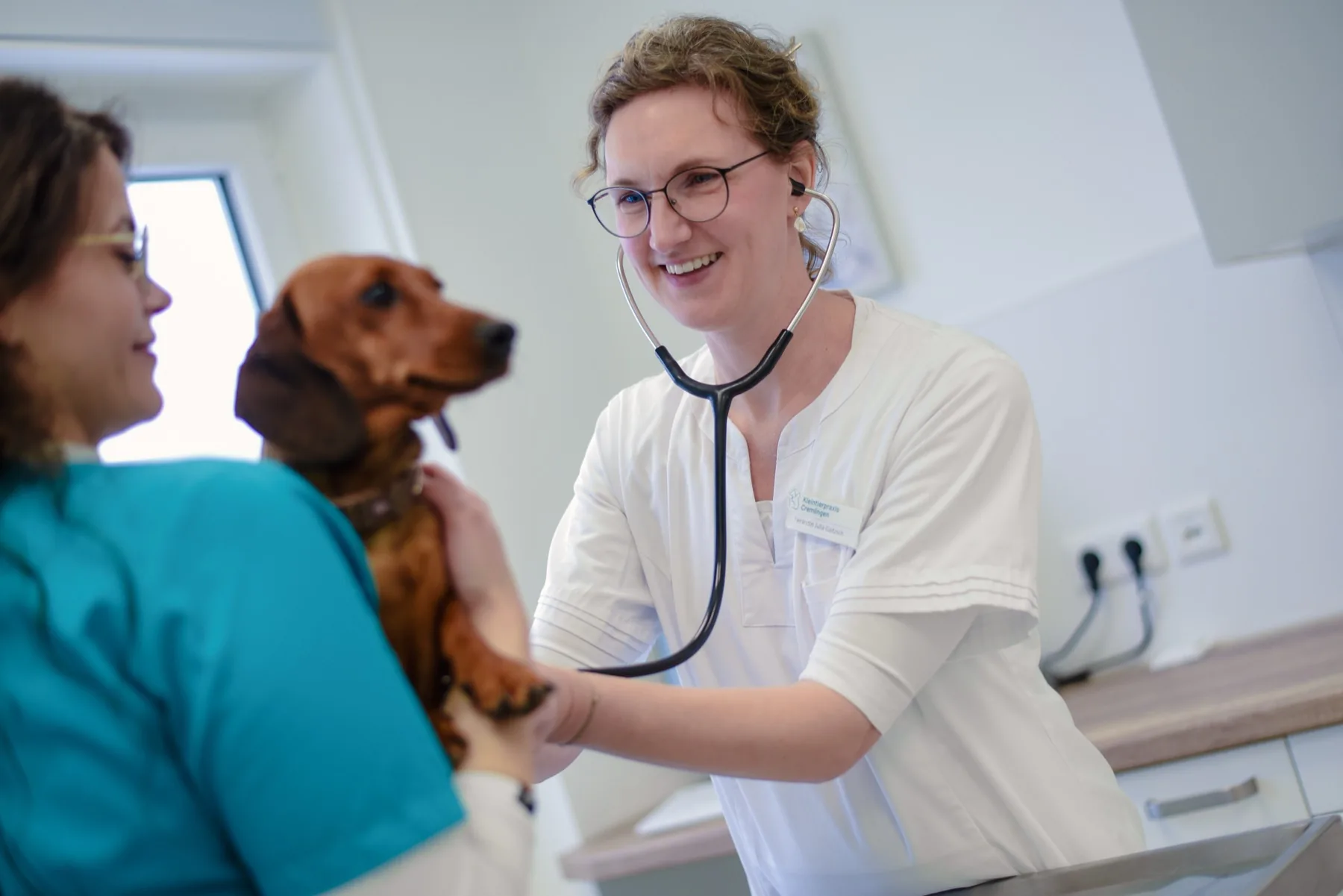
We listen to the heart and lungs and discuss what you have noticed about your pet.
The cardiac ultrasound is performed by our specialist, precise images of the heart muscle and valves.
The ECG shows the heart rhythm, important for assessing any irregularities.
We discuss the findings with you in clear terms, and decide the next steps together.
If a heart condition is found, the aim is a therapy that suits the findings, usually medication that relieves the heart, combined with regular check-ups. In this way, many animals lead a contented life over a long time.
Have a question that is not answered here? Do give us a call. We will take the time.
Typical signs are coughing (especially after exertion or at night), reduced stamina, fast breathing at rest or during sleep, increased tiredness as well as brief fainting episodes.
These signs do not have to come from the heart. They can also have other causes. That is exactly why a veterinary investigation is important.
We first listen to the heart and lungs and then carry out a cardiac ultrasound (echocardiography) as well as an ECG. Both examinations are painless and take place without anaesthesia.
The cardiac ultrasound is performed by our specialist. This produces a clear picture of the condition of the heart, which forms the basis for all further decisions.
Yes. A heart condition can usually not be cured, but it can be supported well. With adjusted therapy, many animals lead a contented life over a long time.
What matters is continuous support: regular check-ups, adjustment of the medication when needed, and your observations at home, for example regarding the breathing rate or stamina.
An examination is worthwhile if you notice symptoms (coughing, fast breathing, less stamina), when a heart murmur is heard by chance, before a planned anaesthesia and in breeds with an increased risk of heart disease.
In known at-risk breeds, a preventive check can also be advisable before symptoms appear. Do feel free to ask us about it.
In dogs, valve diseases are common, above all mitral valve disease. It mainly affects smaller breeds at an advanced age.
In cats, diseases of the heart muscle are most prominent, above all hypertrophic cardiomyopathy (HCM), a thickening of the heart wall, which often goes unnoticed for a long time.
No. For cardiac ultrasound and ECG, no special preparation is usually needed, and your pet does not need to fast.
Do feel free to bring its favourite collar or a familiar blanket. That helps the examination go as relaxed as possible.
The costs depend on the scope of the examination and the applicable German fee schedule for veterinarians (GOT). We are happy to discuss the range with you in advance by phone.
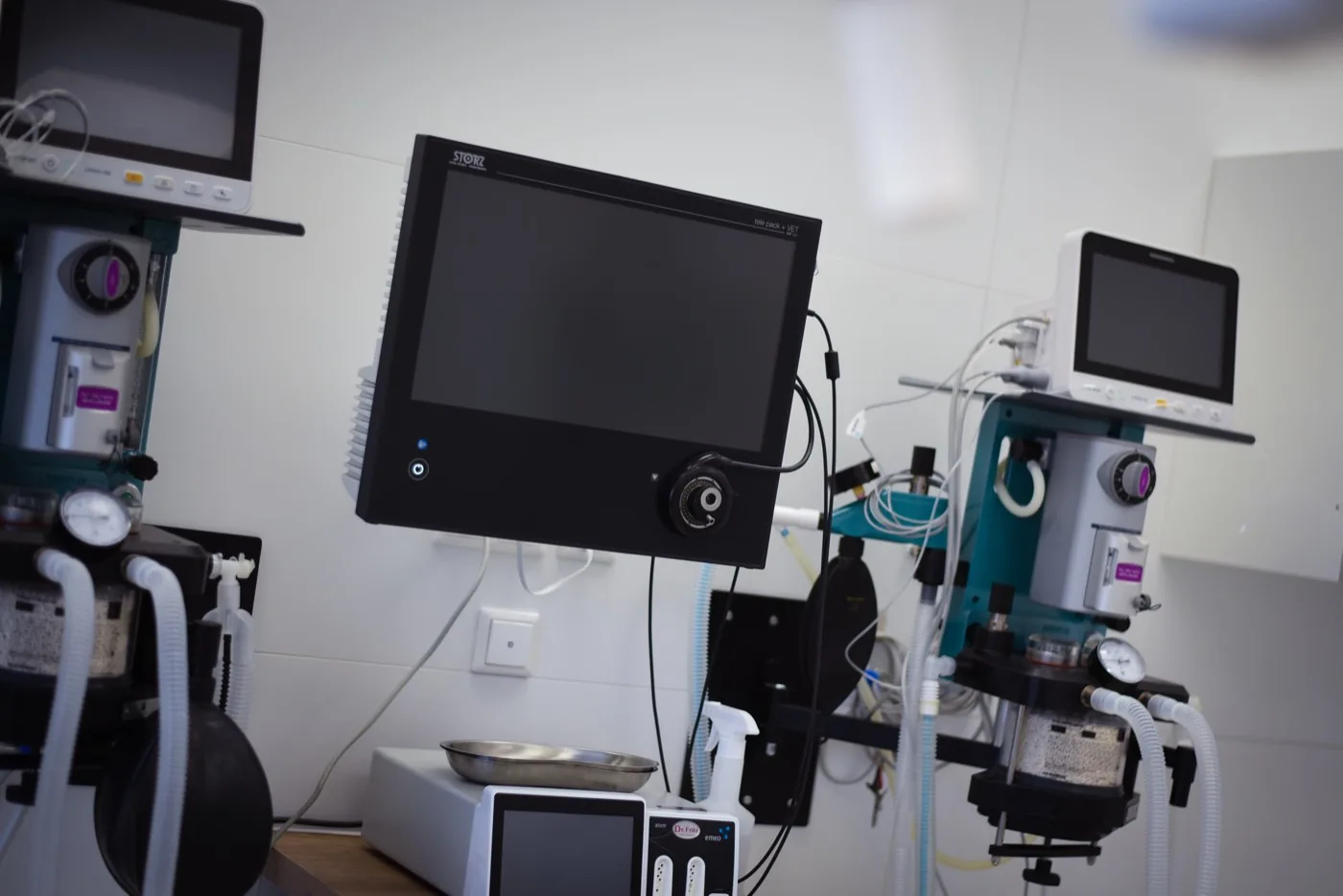
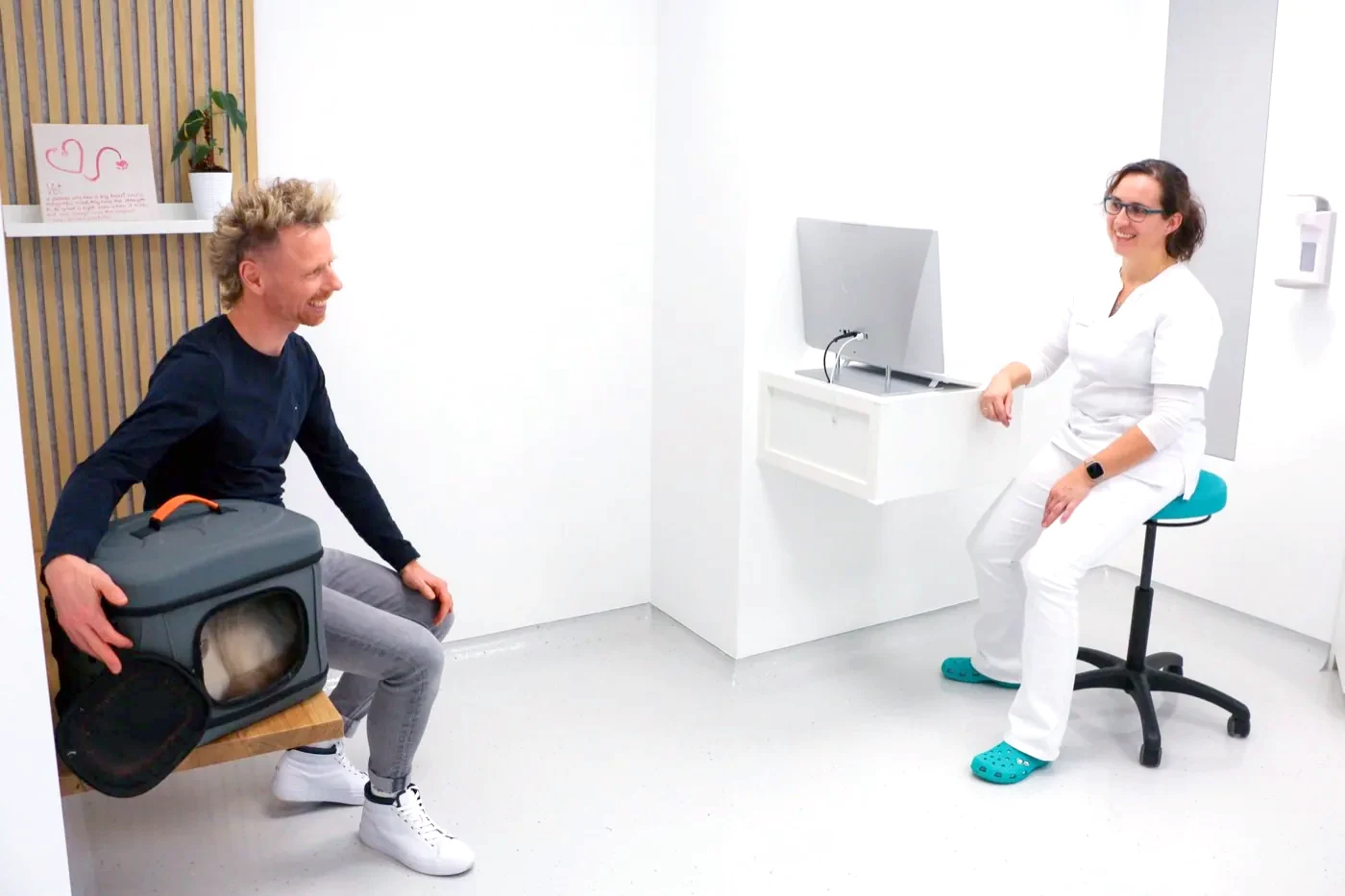
Bright rooms, modern technology and a well-coordinated team. That is what the place where your pet is treated looks like.
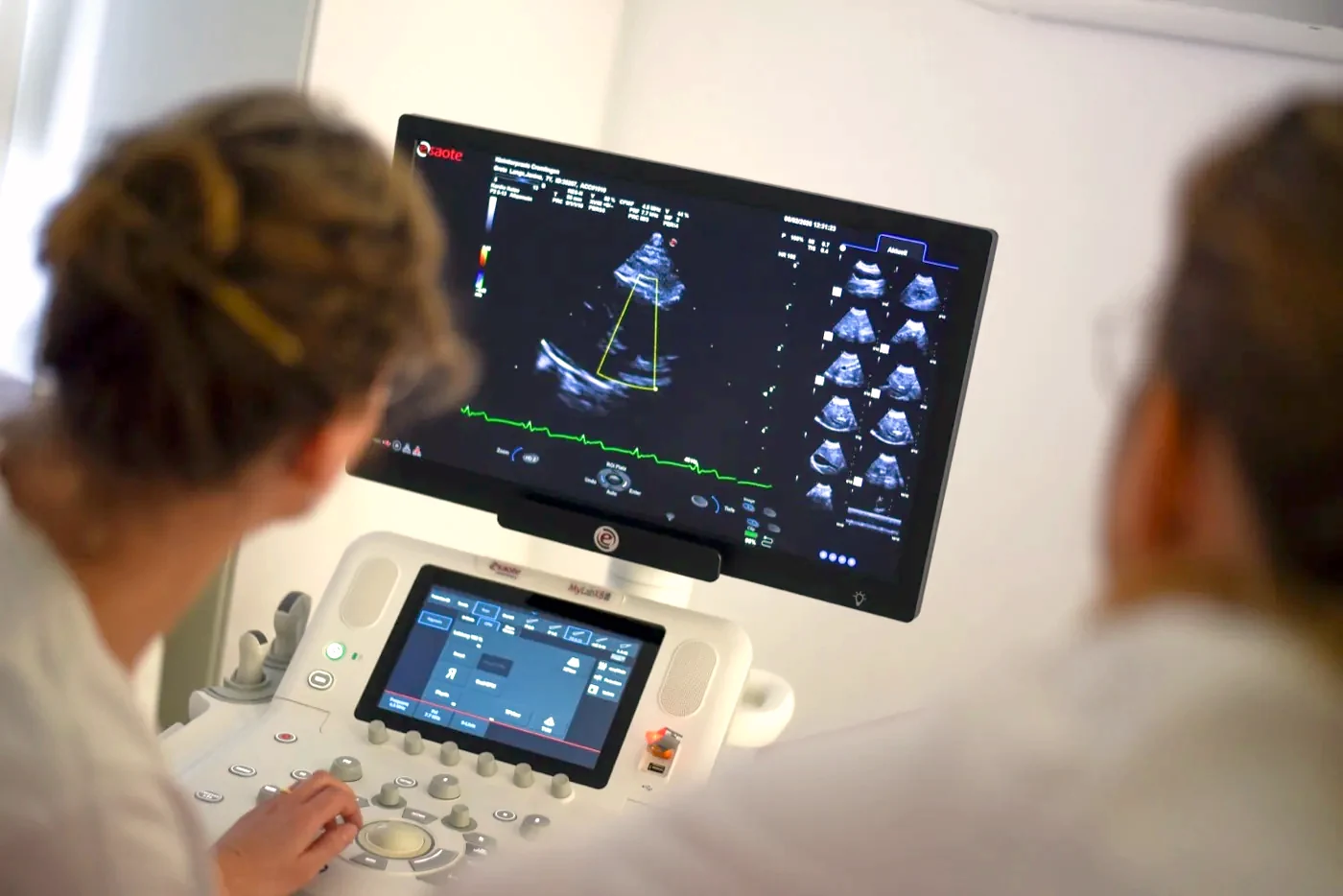
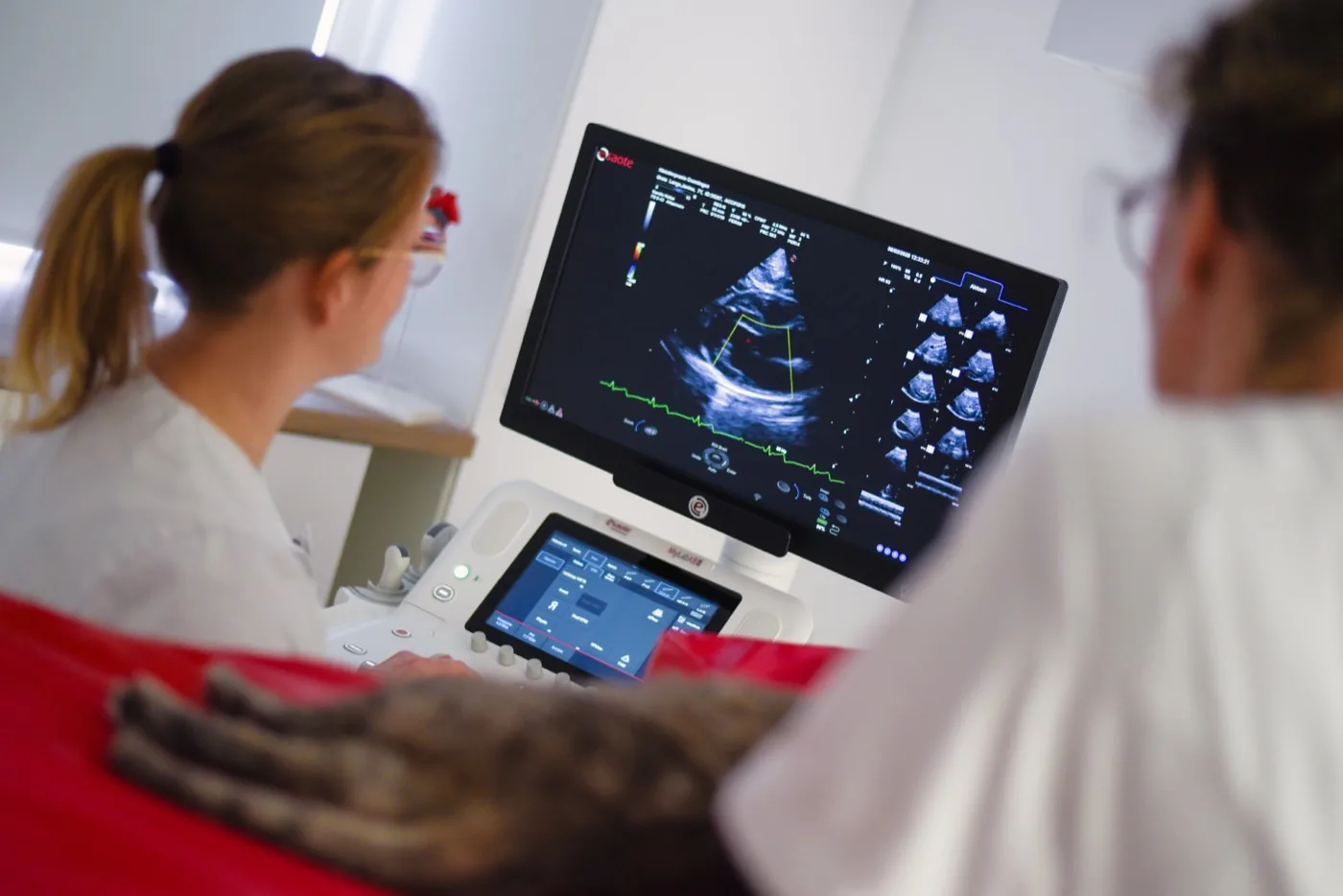
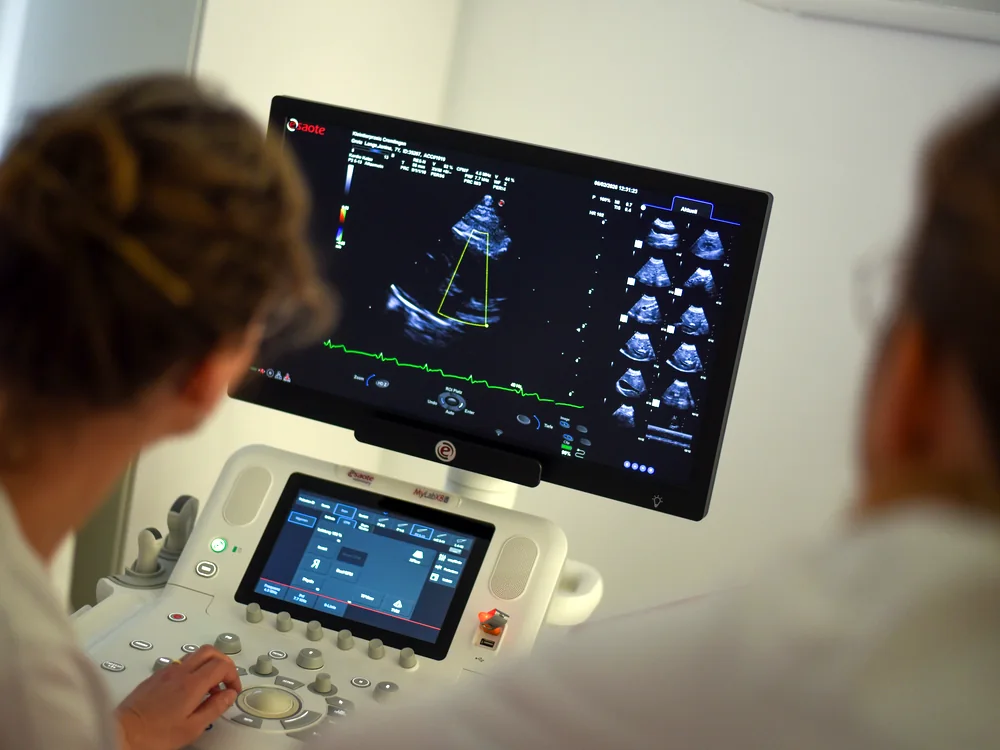

If your pet shows signs such as coughing or reduced stamina, or a heart condition is already known: we take our time, look at the heart calmly and advise you personally.
Our specialist assesses heart muscle and valves precisely — calmly and gently for your pet.
Book an appointment
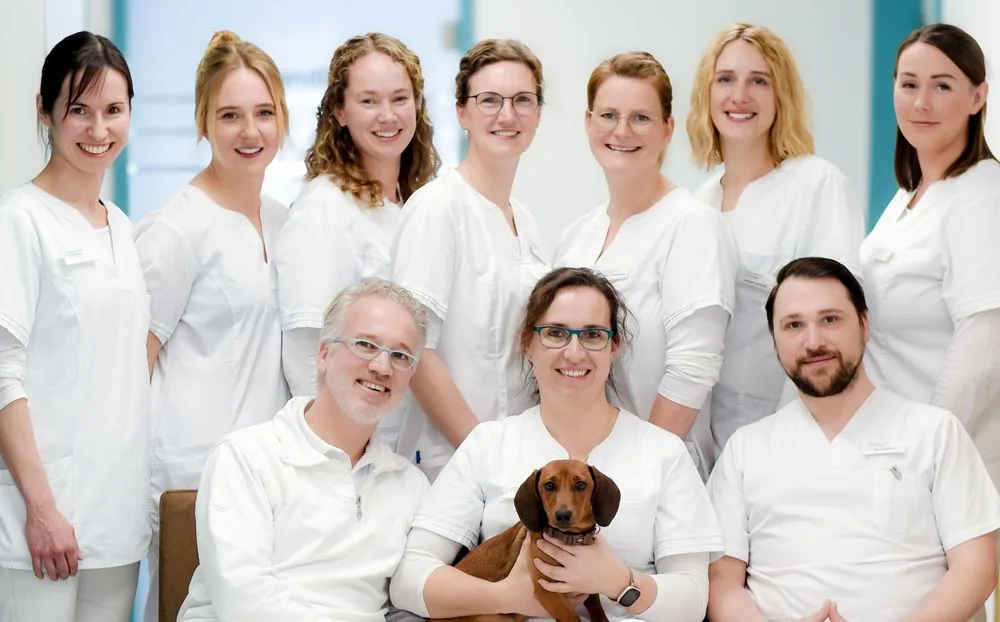
A selection of your contact persons for this area. Naturally, our entire team is there for you.
Cardiology & ultrasound