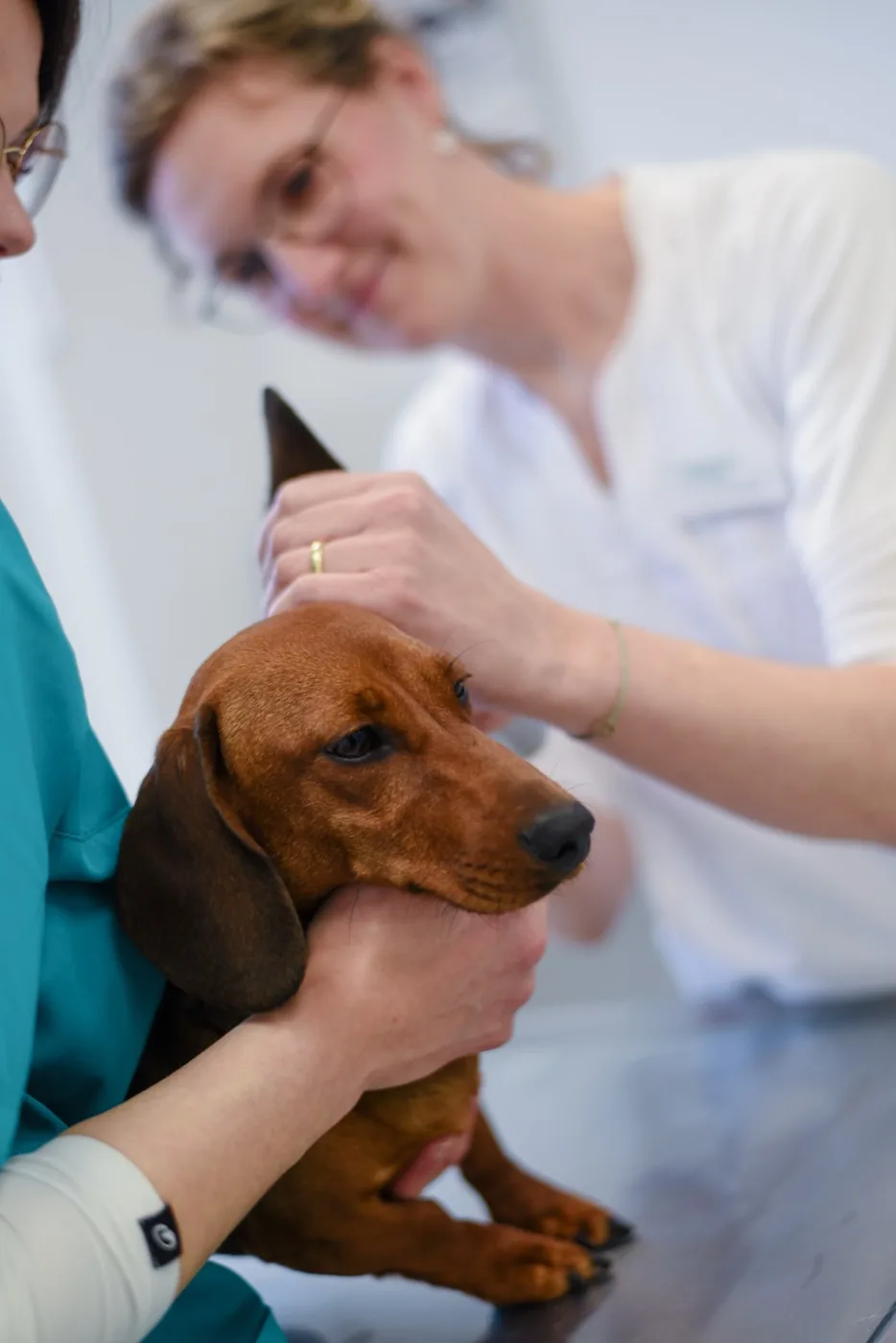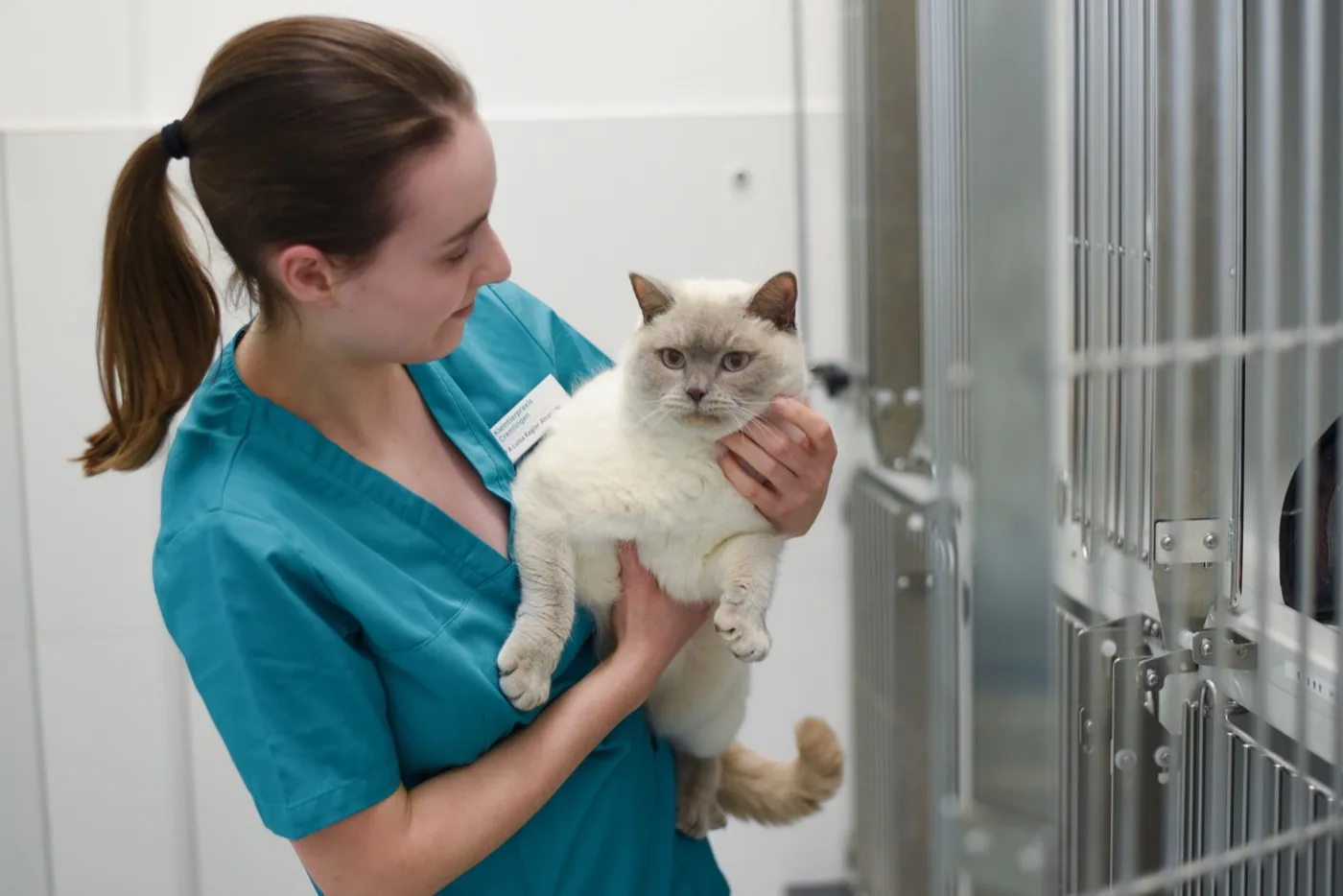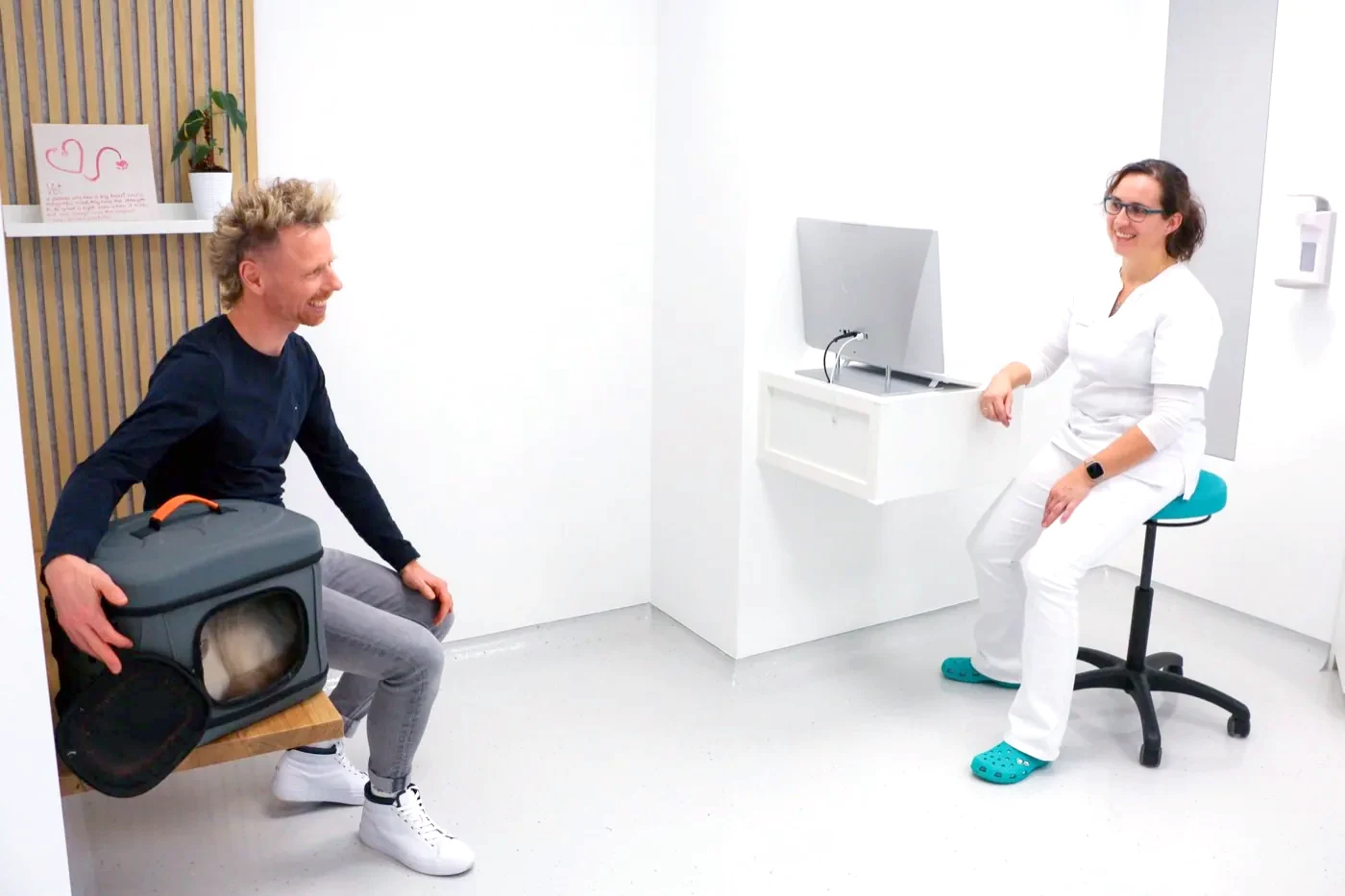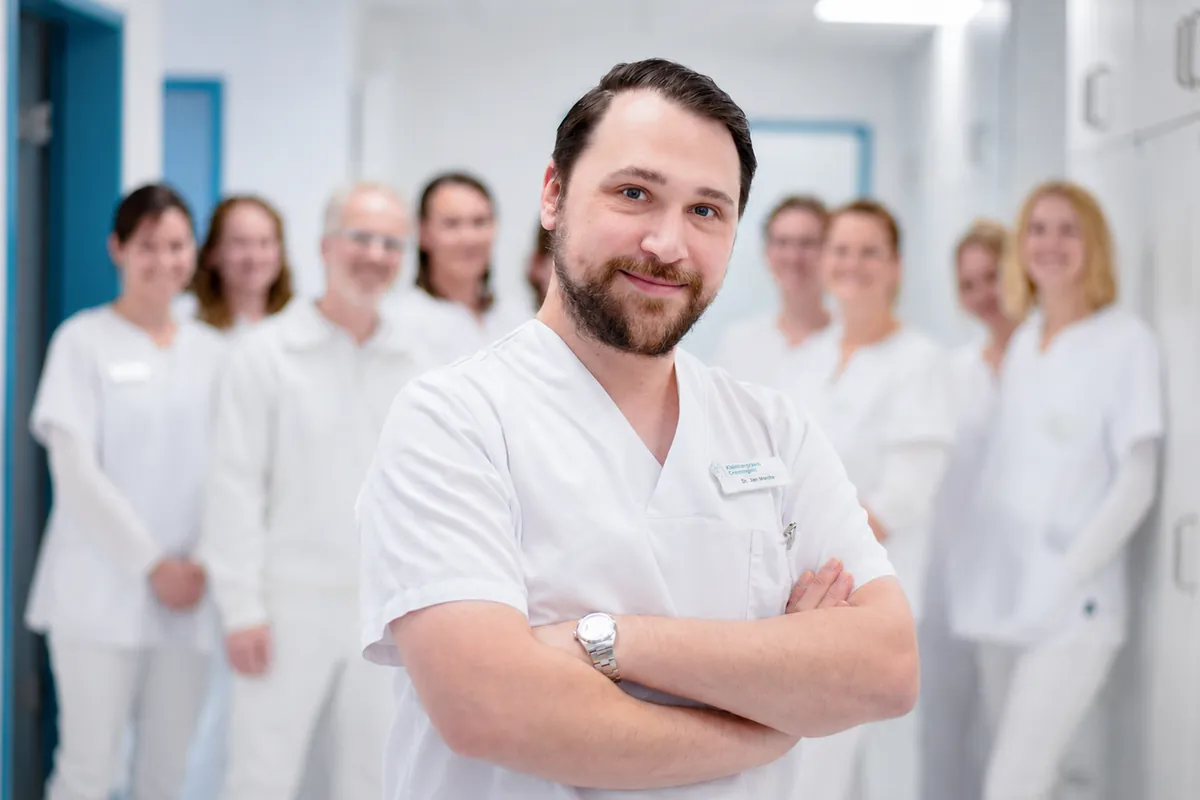
A surgical procedure is rarely an easy decision for pet owners. Understandably so, because it means anaesthesia, a wound and a phase of recovery. It is therefore important to us that you know what to expect for you and your pet. This overview explains which operations we carry out, how we make anaesthesia safe and what matters in preparation and aftercare.
What surgery includes
- Soft-tissue surgery, from neutering to tumour removal
- Laparoscopy (keyhole surgery) for particularly tissue-sparing procedures
- Caesarean sections, pyometra and tumour operations
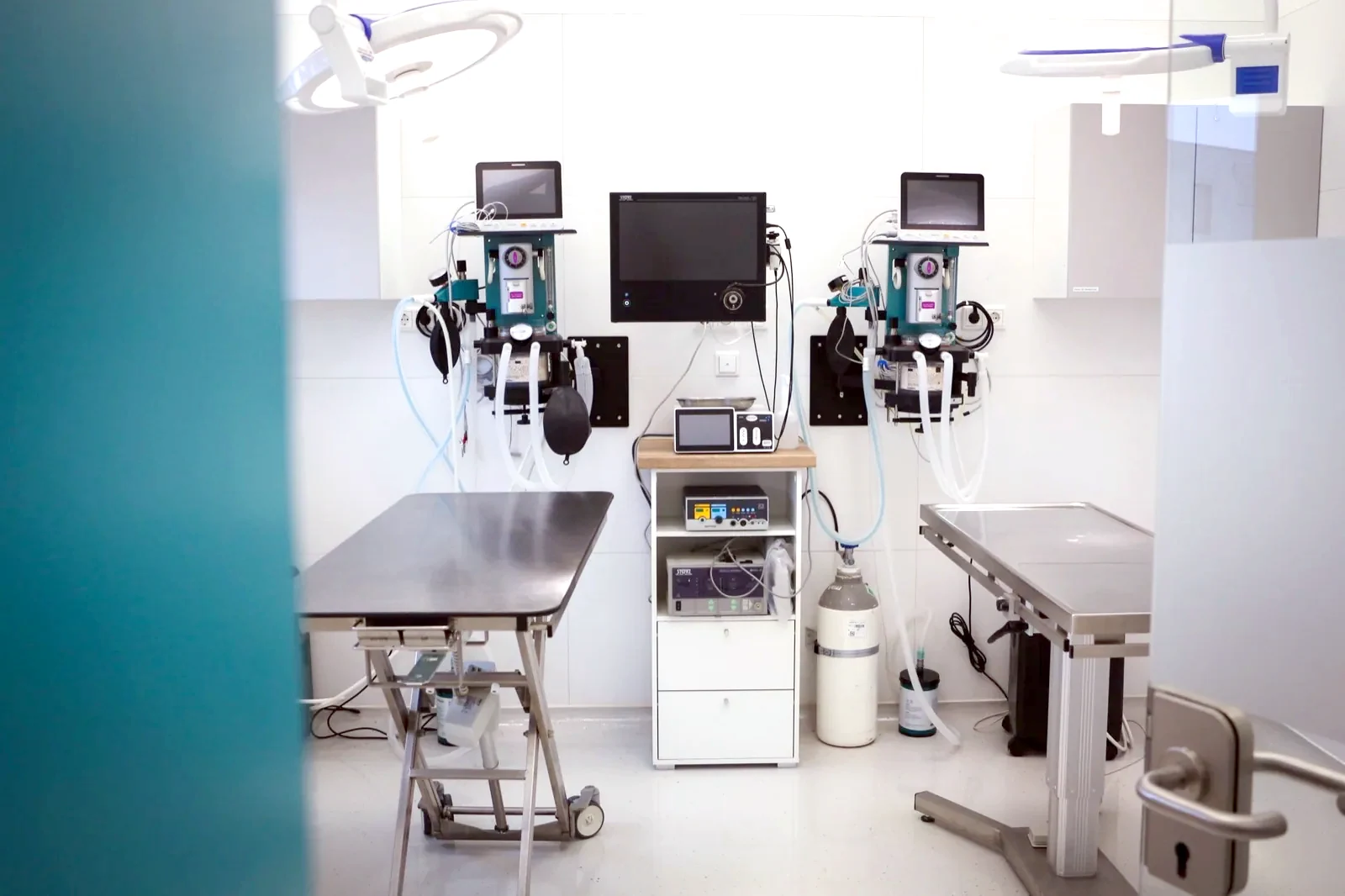
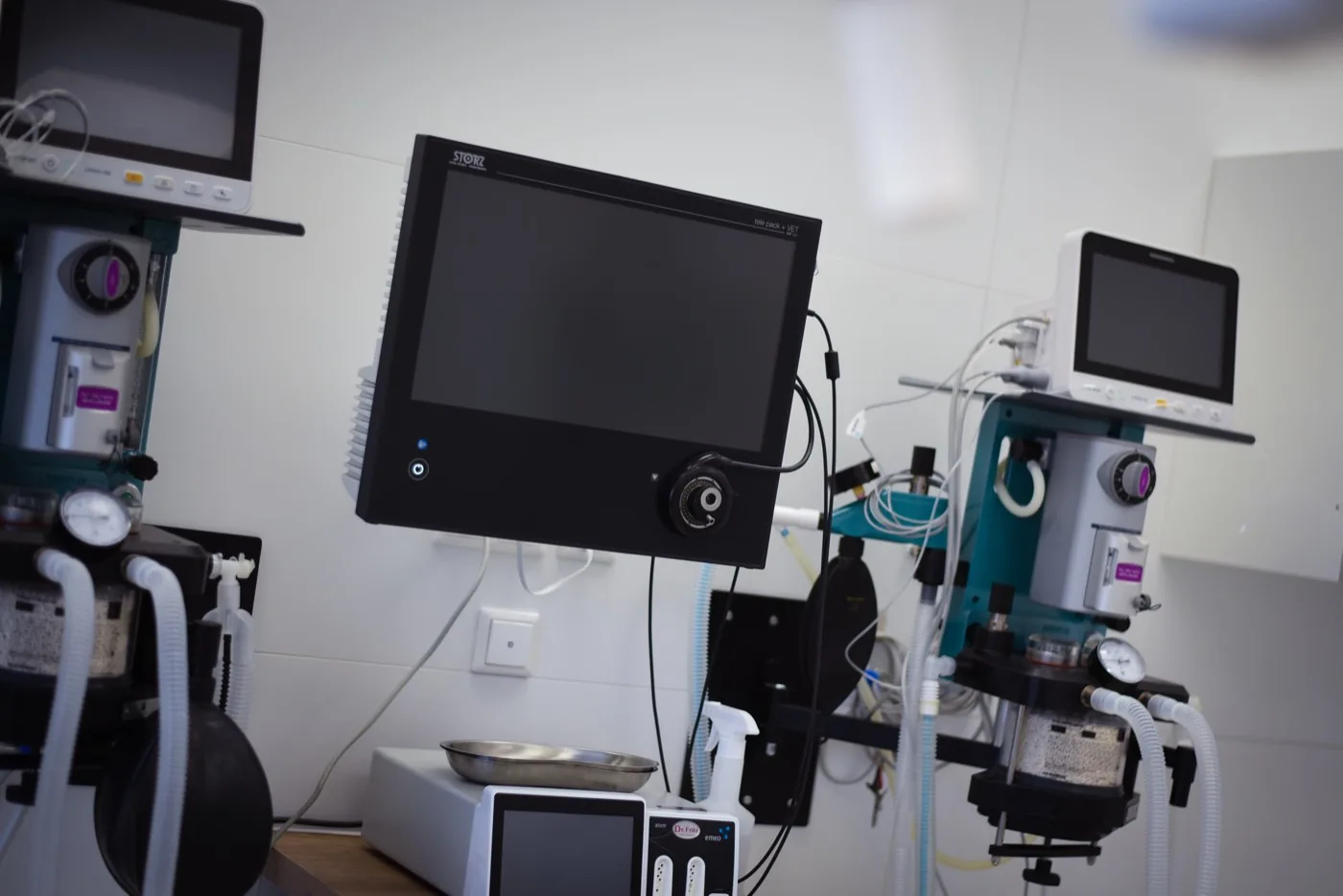
- Modern anaesthesia monitoring throughout the entire procedure
- Multimodal pain management for a calm recovery phase
We discuss every procedure with you calmly beforehand, including the question of whether an operation is even the right way at all, what alternatives there are and how the procedure works. A good decision needs time and information, and that is exactly what we take time for.
Soft-tissue surgery and neutering
Soft-tissue surgery covers procedures on the skin, abdominal and pelvic organs as well as on other tissues. This includes neutering, the removal of masses, procedures for injuries or the treatment of wounds.
Neutering is one of the most common planned procedures. Whether and when it makes sense for your pet depends on the species, sex, age, behaviour and health. Where needed, a tissue-sparing laparoscopic technique can be used. We advise you with an open mind, so that you can make a well-informed decision.
Obstetric, pyometra & tumour surgery
A focus of our soft-tissue surgery is planned and acute procedures on the abdominal and reproductive organs. This includes the caesarean section when a birth cannot proceed naturally. Here every minute counts, and a well-rehearsed team looks after the mother and her young.
Pyometra, a purulent infection of the uterus in unspayed female dogs and cats, is common. It is a serious emergency: signs include increased drinking, lethargy, fever or discharge. The reliable treatment is the surgical removal of the uterus, and the earlier it is done, the better.
We also carry out tumour operations, from the removal of benign or malignant growths to larger procedures. Which approach makes sense depends on the findings and is discussed with you calmly after thorough diagnostics.
Safe anaesthesia and pain management
Every operation takes place under anaesthesia. To make this as safe as possible, we examine your pet beforehand and tailor the anaesthesia individually to age, health and procedure. Where needed, we add a blood test.
Throughout the entire procedure your pet's circulation, breathing and other values are monitored. A multi-part, so-called multimodal pain management starts before the procedure and accompanies your pet through the recovery phase. The aim is for your pet to come back from anaesthesia calm, stable and with as little pain as possible.
Understandably, many owners worry above all about the anaesthesia. A certain risk can never be ruled out entirely, but careful preparation, an individually tailored anaesthesia and continuous monitoring keep it as low as possible. If you are unsure, talk to us. We take your questions seriously and explain the planned procedure as precisely as you wish.
Preparing for the procedure
Before a planned anaesthetic your pet should as a rule not eat anything for around 8 to 12 hours; water may continue to be offered. The exact instructions can differ depending on the animal and are discussed in the pre-operative consultation. Different rules apply to small pets; here we will inform you separately.
Let us know in advance if your pet receives medication or has pre-existing conditions. Plan for some quiet on the day of the procedure, so that your pet can return to a relaxed environment after waking up.
Aftercare and healing at home
After the procedure your pet above all needs rest. Keep the wound area clean and protected and prevent your pet from licking the suture, depending on the location, a collar or a recovery suit helps with this. Give prescribed medication as discussed.
Please contact the practice if the wound swells strongly, weeps or reddens, if your pet seems clearly in pain, does not eat or its general condition worsens. We arrange follow-up appointments with you for wound healing and, if applicable, for suture removal.
Active animals in particular often want to romp around sooner than is good for healing. Stick to the recommended rest period, even if your pet already feels fit again, since putting weight on it too early can delay healing. After larger procedures, accompanying physiotherapy can help to rebuild strength and mobility step by step. This page does not replace individual veterinary advice.
Aftercare tip: use the BEAP Pain Score
In the first days after the procedure, a structured pain observation helps. With the BEAP Pain Score, assess across 8 observations each day how your pet is doing. And whether pain therapy should be adjusted.
Veterinary surgery in Cremlingen and the region
Our practice in Cremlingen is easily reached by pet owners from Braunschweig, Königslutter am Elm, Wolfenbüttel and Wolfsburg. If a procedure is coming up for your pet or you would like a second opinion, you are welcome to arrange an appointment. We will discuss everything with you calmly.